The hidden impact of chronic musculoskeletal pain
Persistent MSK pain isn't just physical, it shapes confidence, sleep, work and identity. Here's how exercise physiology can help you take back control.
Chronic musculoskeletal (MSK) pain is one of the most common, and most under-recognised, health challenges in Australia. It quietly chips away at how confidently you move, how well you sleep, how productive you are at work, and even how you see yourself.
More than "just sore"
When pain sticks around for weeks or months, the body's protective system stays switched on. Movement starts to feel risky, activities get avoided, and the world begins to shrink. Over time, deconditioning makes the original problem worse, and the cycle deepens.
Where exercise physiology fits
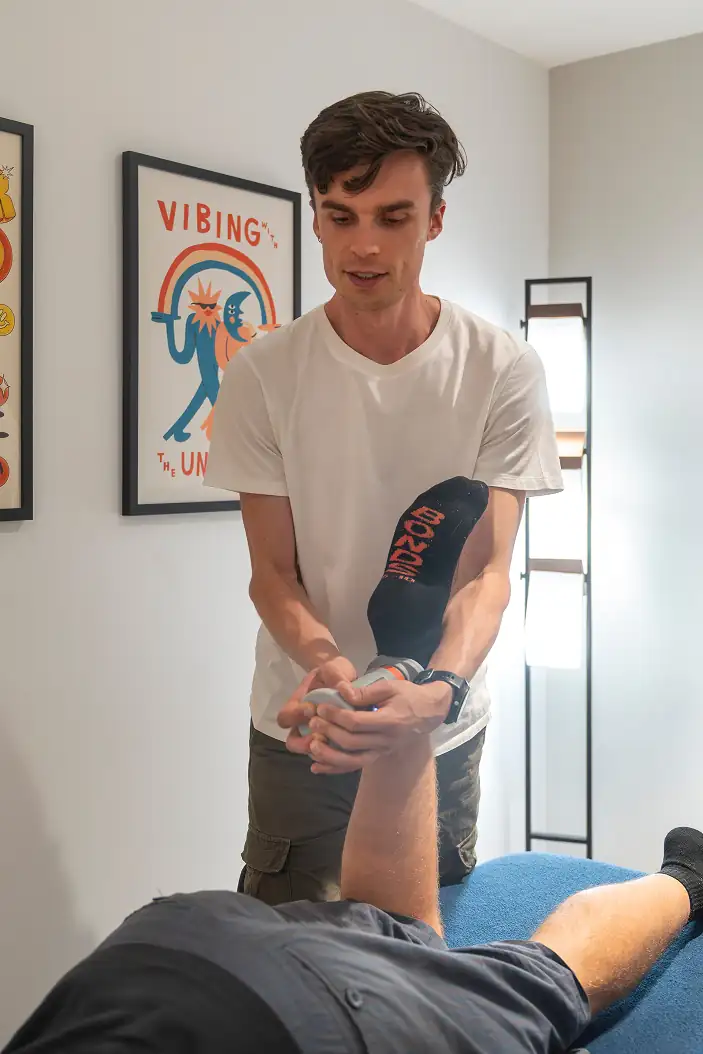
A well-prescribed exercise program does three things at once:
- Reloads the tissue that has become sensitive or weakened.
- Rebuilds confidence by reintroducing movement in a graded, controlled way.
- Restores capacity so daily life, work, sport, family, feels accessible again.
We don't chase pain; we build capacity around it. Almost every person we work with surprises themselves with how much they can do once the program is right-sized.
What to expect at SOS
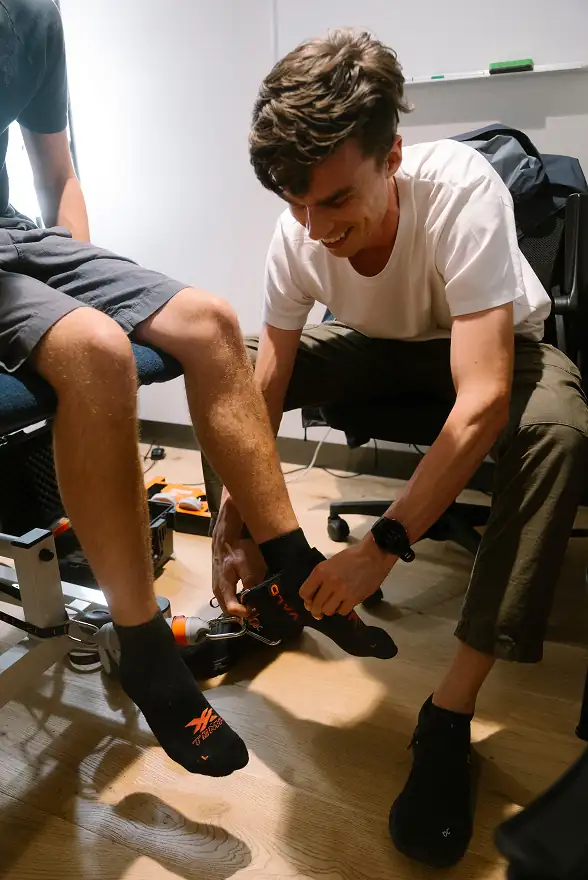
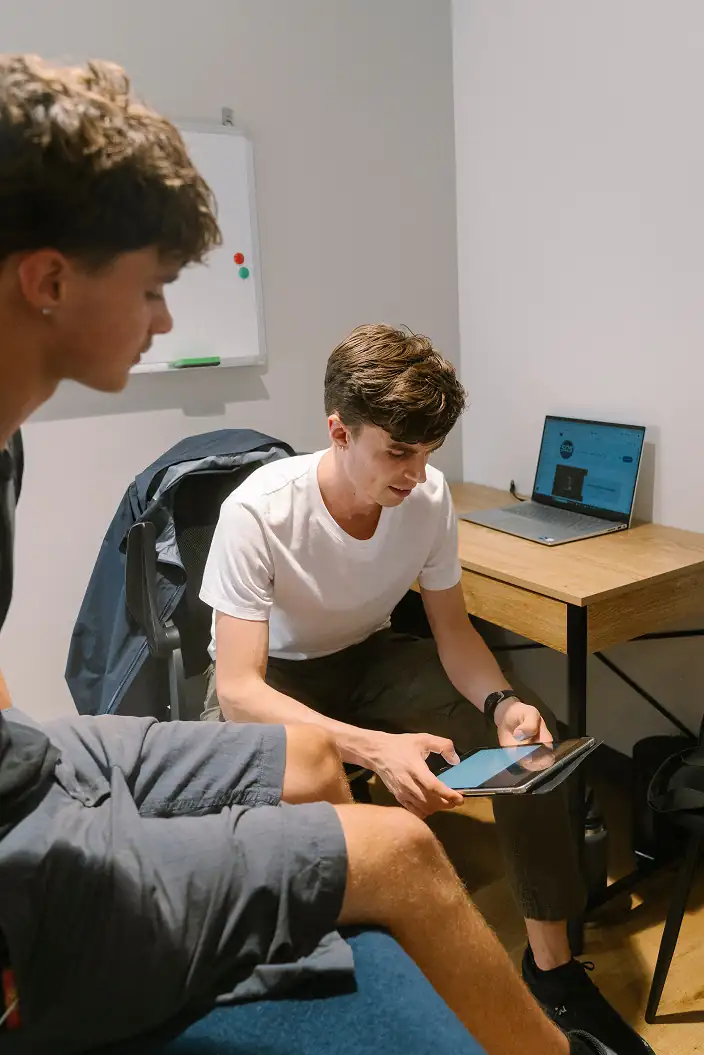
Your first session is a clinical conversation as much as a physical assessment. We unpack what you're dealing with, what you've already tried, and what success actually looks like for you. From there, you leave with a clear plan you understand and can repeat.
If you've been carrying chronic pain for a while, get in touch, there's almost always more we can do.